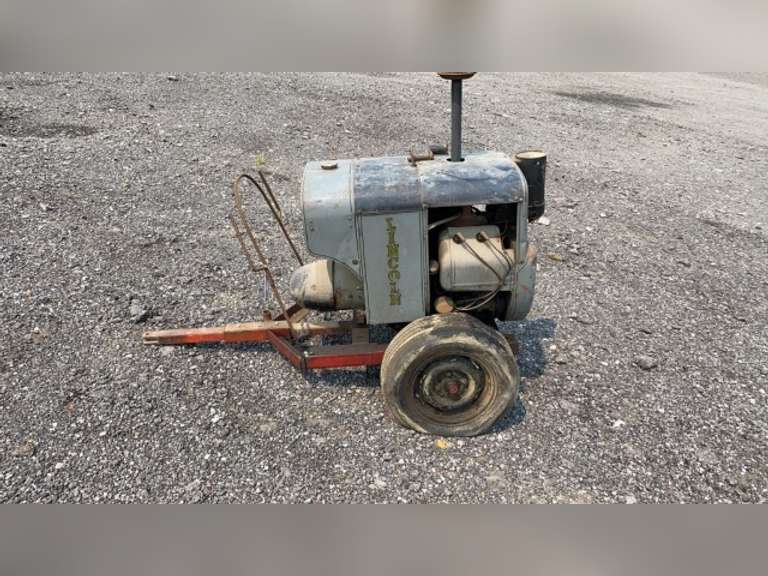
When you're looking at a Lincoln welder generator, the real story isn't just about the brand; it's deep in the Lincoln Welder Generator Performance Specs. These aren't just numbers on a page; they’re the blueprint for what your machine can actually do, whether you’re fixing a fence post in a remote field, powering a plasma cutter, or running an entire job site. Understanding these specifications is the difference between buying a tool that just gets by and investing in a powerhouse that consistently delivers for years.
Think of it like this: your welder generator isn't just a machine; it's a mobile workshop. Every spec—from the welding amperage to the generator's watt output, the engine's horsepower, and even its noise level—tells you how efficiently and effectively that workshop will perform in the real world. Dive in with us as we break down these critical performance specs, turning technical jargon into actionable insights that empower your next project.
At a Glance: What Top Lincoln Welder Generators Offer
- Welding Prowess: Delivers up to 250 amps for AC/DC stick, DC wire welding, and capable of AC TIG, MIG, and Flux-Cored with optional setups.
- Serious Generator Output: Provides 11,000 watts peak power (10,000 watts continuous) to run heavy-duty tools like plasma cutters, inverter welders, lights, and grinders.
- Robust Engine: Powered by a 23 HP Kohler gasoline engine, ensuring reliable performance and an extended run time with a 12-gallon fuel tank.
- Quiet Operation: Engineered for a lower noise profile, making your workspace more comfortable at 76.4 dBA at 23 ft.
- Built for the Elements: Features a totally enclosed case with three service access doors for engine protection and easy maintenance, rated for outputs at 104°F (40°C).
- Smart Features: Includes an electric fuel pump to prevent vapor lock, an electric fuel gauge, and is remote-ready for flexible operation.
Why Every Number Matters: The Philosophy Behind Performance
You're not just buying a machine; you're investing in reliability, versatility, and the ability to tackle demanding tasks without missing a beat. That's why diving into the performance specifications isn't just a technical exercise—it's about understanding the core capabilities and limitations of your equipment. Each spec is a promise of power, durability, or convenience.
For instance, knowing your welder generator can deliver 10,000 continuous watts tells you it’s ready to power more than just a few lights; it can sustain heavy loads like multiple power tools or even a smaller inverter welder. Likewise, the specific amperage output defines the range of welding processes and material thicknesses you can confidently handle. Without this granular understanding, you're essentially buying blind.
Unpacking Welding Output: Amperage, Versatility, and Beyond
The most fundamental performance spec for any welder generator is its welding output. This isn't just a single number; it's a combination of amperage, current type, and process versatility that defines the machine's welding DNA.
The Amperage Sweet Spot: 250 Amps of Power
When a Lincoln welder generator, like the robust Ranger 250 GXT, is rated at 250 amps, it means serious business. This output capacity is ideal for:
- AC/DC Stick Welding: This covers a vast range of electrodes, from general-purpose rods like E6010, E6011, and E7018 to more specialized options. Whether you’re working on structural steel, repairing farm equipment, or general fabrication, 250 amps gives you the juice to burn thicker rods and penetrate deeper. The flexibility of both AC and DC output means you can optimize for different rod types and minimize arc blow in certain situations.
- DC Wire Welding: This includes both MIG (Gas Metal Arc Welding) and Flux-Cored Arc Welding (FCAW). While requiring optional equipment like a wire feeder, a 250-amp DC output ensures you can comfortably run larger diameter wires, making quick work of thicker materials and longer weld passes. Wire welding is particularly prized for its speed and efficiency in production environments or when tackling repetitive tasks.
Beyond Stick and Wire: Expanding Your Horizons
While 250 amps forms a powerful base, modern Lincoln welder generators often boast impressive versatility through optional add-ons, turning a great machine into an even more formidable multi-process tool:
- Excellent AC TIG Welding: With an optional TIG Module and Amptrol (a foot or hand remote control), you can transform your unit into a capable AC TIG welder. This is crucial for precise, high-quality welds on aluminum and magnesium, where AC current is essential for cleaning action. Imagine seamlessly switching from heavy stick welding to delicate aluminum fabrication—all from the same power source.
- MIG and Flux-Cored Capable: As mentioned, with the right wire feeder, your machine can handle both MIG and Flux-Cored welding. This capability is invaluable for production work, auto body repair, or any application where speed and consistent deposition are key. For a comprehensive overview of how these machines fit into various workflows, check out our in-depth Lincoln welder generator guide.
Understanding Duty Cycle: The Real World Test
While the ground truth doesn't explicitly state the duty cycle for the 250-amp rating, it's a critical concept when discussing welding output. Duty cycle refers to the percentage of time, within a 10-minute period, that a welder can operate at its maximum rated output without overheating. For example, a 60% duty cycle at 250 amps means the machine can weld continuously for 6 minutes, followed by 4 minutes of cooling.
A reputable manufacturer like Lincoln rates its machines to perform reliably, often specifying the duty cycle at the rated amperage. When comparing specs, always look for this detail, as it tells you how hard you can push the machine without tripping thermal overload protection or, worse, damaging components.
Generator Powerhouse: What 11,000 Watts Means for Your Projects
A welder generator isn't just about putting metal together; it's a portable power station. The generator output specs are just as vital, dictating what auxiliary tools and equipment you can run simultaneously.
The Power to Perform: 11,000 Watts Peak, 10,000 Watts Continuous
The distinction between peak and continuous wattage is crucial.
- 11,000 Watts Peak: This is the maximum surge power available for a very short duration, typically when starting motors or high-demand tools. Think of it as the initial kick needed to get things moving.
- 10,000 Watts Continuous: This is the sustained power output you can rely on hour after hour. This rating is your go-to number for understanding the true capacity of the generator.
What does 10,000 watts continuous mean for your workflow? It means you have ample power for: - Plasma Cutters: Many professional-grade plasma cutters require significant power. A 10kW continuous output can comfortably run a substantial plasma cutter, allowing you to cut through various metal thicknesses with precision and speed.
- Inverter Welders: Yes, you can power another welder! This is incredibly useful on large job sites where different welding processes might be needed simultaneously, or if you prefer the arc characteristics of a dedicated inverter for certain tasks.
- Lights: Illuminating a job site, especially during early mornings, late evenings, or in poorly lit areas, requires reliable power for multiple high-wattage work lights.
- Grinders and Power Tools: From angle grinders to chop saws, drills, and air compressors (with appropriate starting surge capabilities), a 10kW generator can keep your entire suite of power tools running smoothly.
- Emergency Backup: Beyond the job site, this level of power can serve as a robust emergency backup for homes or small businesses, running essential appliances during power outages.
Robust Reliability: Rated at 104°F (40°C)
A key detail often overlooked is the operating temperature rating. Lincoln specifies its welding and AC generator outputs are rated at 104°F (40°C). This isn't just a number; it's a testament to the machine's durability and engineering.
- Real-World Performance: Many generators claim high output, but their performance can degrade significantly in hot environments. Rating at 104°F (40°C) means you can expect the stated power output even on scorching summer days or in demanding industrial settings. This ensures your projects won't grind to a halt due to thermal derating.
- Longevity: Operating consistently within its design parameters, even under heat, contributes significantly to the longevity and reliability of the internal components, from the windings to the control circuitry.
The Heart of the Machine: Engine Specifications
The engine is the power behind both the welder and the generator. Its specifications are crucial for understanding fuel efficiency, durability, and overall operational characteristics.
The 23 HP Kohler Gasoline Engine: A Proven Performer
The choice of a 23 HP Kohler Gasoline Engine is deliberate. Kohler engines are renowned for their reliability and performance in demanding applications.
- Engine Design: A 2-cylinder, 4-cycle overhead valve (OHV), air-cooled design means efficiency and robustness.
- 2-cylinder: Provides a smoother operation than single-cylinder engines, reducing vibration and wear.
- 4-cycle: More fuel-efficient and produces fewer emissions compared to 2-cycle engines.
- OHV (Overhead Valve): Improves combustion efficiency, leading to more power and better fuel economy.
- Air-cooled: Simpler design with fewer potential failure points than liquid-cooled systems, ideal for portable outdoor equipment.
Fuel System Innovations for Extended Operation
Thoughtful fuel system design significantly enhances usability and prevents common operational headaches.
- Electric Fuel Pump: This is a crucial feature that prevents vapor lock, especially in hot conditions or at higher altitudes. Vapor lock occurs when gasoline vaporizes in the fuel lines, interrupting fuel flow. An electric pump maintains consistent pressure, ensuring a steady supply of fuel to the engine.
- 12-Gallon Fuel Tank: A generous 12-gallon fuel tank is a game-changer for extended run times. You won't be constantly refilling, allowing you to work longer without interruption. While specific run times depend on the load, a tank this size ensures many hours of continuous operation, a massive benefit on remote job sites.
- Electric Fuel Gauge: Located conveniently on the control panel, an electric fuel gauge allows you to monitor fuel levels at a glance, preventing unexpected shutdowns and helping you plan your refills efficiently.
Simplified Maintenance: Oil Drain Extension
Small details can make a big difference in the user experience. An oil drain extension simplifies routine oil changes, making this essential maintenance task less messy and more accessible. These kinds of design considerations reflect Lincoln's commitment to user-friendliness and long-term machine health.
Beyond Raw Power: Practical Performance Metrics
Performance isn't just about how much power a machine puts out; it's also about how it delivers that power and its overall impact on your work environment.
The Sound of Silence (Relatively): Noise Levels
Working with noisy machinery can be fatiguing and, in some environments, can even violate regulations. Lincoln pays attention to acoustic performance:
- 76.4 dBA at 23 ft (7 m): This is a respectable noise level for an engine-driven welder generator of this capacity. To put it in perspective, 70 dBA is often compared to a vacuum cleaner, and 80 dBA is like a garbage disposal. While not silent, 76.4 dBA at a distance means it’s much more manageable than many open-frame generators, reducing operator fatigue and making communication easier on the job site.
- 100.7 dB Sound Power (Lwa): This is a measure of the total sound energy emitted by the machine. While not directly comparable to dBA at a distance, it confirms the machine's overall acoustic footprint. The focus on lower dBA at 23 ft indicates a design effort to manage noise where it matters most to the operator and surrounding environment.
Robust Protection: The Totally Enclosed Case
The physical design and protection of your welder generator directly impact its lifespan and reliability, especially in rugged outdoor environments.
- Engine Protection: A totally enclosed case provides superior protection for the engine and internal components against dirt, dust, moisture, and accidental impacts. This is vital for machines used on construction sites, farms, or in workshops where debris is common.
- 3 Service Access Doors: While enclosed for protection, usability isn't sacrificed. Multiple service doors ensure easy access for routine maintenance tasks like oil checks, filter changes, and spark plug inspections. This thoughtful design minimizes downtime and encourages proper care.
- Case Options: The availability of painted, camo wrapped, or stainless steel roof, sides, and engine doors offers aesthetic choice and, in the case of stainless steel, enhanced durability and corrosion resistance for specific environments.
Remote-Ready Capabilities
Modern job sites demand flexibility. The inclusion of a 6-pin connector and a local/remote switch makes the unit "remote-ready." This means you can control certain functions, such as amperage, from a distance using an optional remote control. This is incredibly useful for:
- Safety: Staying away from sparks and fumes.
- Efficiency: Adjusting settings without having to walk back to the machine.
- Accessibility: Welding in confined spaces where the machine cannot be placed directly beside you.
Deciphering the Specs: What to Look For When Comparing Models
Understanding individual specs is one thing; using them to make an informed decision is another. Here's how to apply what you've learned:
- Match Output to Your Needs: Don't overbuy or underbuy. If you primarily do light stick welding and run basic tools, 250 amps and 10kW might be overkill. If you plan to run a large plasma cutter and weld heavy structural steel, it's just right.
- Consider Your Environment: If you work in hot climates, the 104°F (40°C) rating is a huge plus. If noise is a concern (e.g., residential areas, close-quarters work), prioritize machines with lower dBA ratings.
- Evaluate Future Versatility: Even if you only stick weld today, consider if you might want to add TIG or wire welding capabilities later. A multi-process machine, even if it requires optional accessories, offers future-proofing.
- Factor in Maintenance and Durability: Features like an enclosed case, service access doors, and an oil drain extension simplify ownership and extend the life of the machine. The reputation of the engine manufacturer (e.g., Kohler) is also a strong indicator of long-term reliability.
- Fuel Capacity vs. Run Time: A larger fuel tank, like the 12-gallon capacity, means fewer interruptions. Estimate your typical daily run time and ensure the tank can accommodate it.
Common Questions About Welder Generator Performance
How does generator wattage relate to welding amperage?
They are independent but powered by the same engine. A machine can provide its full welding amperage or its full generator wattage, but usually not both simultaneously at maximum output without compromise. The machine's design manages this power distribution. For instance, while welding at full amps, the available auxiliary power might be slightly reduced from the maximum continuous generator output.
What is the benefit of AC vs. DC welding output?
DC (Direct Current) is generally preferred for most stick and wire welding due to its stable arc, easier starts, and smoother welds. AC (Alternating Current) is essential for certain stick electrodes (like E6011 for dirty metal) and for TIG welding aluminum, where the alternating current helps break up aluminum oxide. A machine with both AC/DC capability offers maximum versatility.
Is a higher HP engine always better?
Not necessarily, but higher horsepower typically indicates a greater ability to sustain high output for both welding and generation. A well-matched engine (like the 23 HP Kohler for 250 amps/10kW) ensures efficient operation without being underpowered or excessively fuel-hungry for the machine's intended use.
Why is operating temperature rating important?
It indicates the conditions under which the manufacturer guarantees the specified output. Machines rated at higher temperatures (like 104°F or 40°C) are built with more robust components and better cooling systems, ensuring they perform reliably even in harsh, hot environments without derating or overheating.
Can I run sensitive electronics off a welder generator?
Most modern welder generators produce relatively clean power, but for truly sensitive electronics, it's always best to use an additional surge protector or an inline voltage regulator. The ground truth states it's good for power tools and lights, which are less sensitive. Always check the specific THD (Total Harmonic Distortion) rating if available, though it's often not highlighted for these types of machines.
Maximizing Your Lincoln Welder Generator's Potential
Understanding the specs is just the first step. To truly get the most out of your investment, consistent care and smart practices are key.
- Routine Maintenance: Adhere to the manufacturer’s schedule for oil changes (simplified by the oil drain extension!), air filter cleaning/replacement, and spark plug checks. A well-maintained engine is a reliable engine.
- Quality Fuel: Always use fresh, clean gasoline. Stale or contaminated fuel can cause significant engine problems. Consider using a fuel stabilizer, especially if the unit will sit for extended periods.
- Proper Loading: While your generator can handle 10,000 continuous watts, be mindful of starting multiple high-draw tools simultaneously. Staggering your equipment starts can prevent surges and improve efficiency.
- Utilize Optional Accessories: Don't hesitate to invest in accessories that enhance your workflow. A wire feeder, TIG module, or remote control can significantly expand the capabilities and convenience of your machine. This transforms it from a general-purpose unit into a specialized tool for specific tasks.
- Safe Operation: Always operate your welder generator in a well-ventilated area to prevent carbon monoxide buildup. Keep it on a level surface, and ensure all connections are secure.
The Power of Informed Choice
Understanding Lincoln Welder Generator Performance Specs isn't about memorizing numbers; it's about translating those figures into real-world capabilities and benefits. When you see 250 amps, you now think of robust stick welds and efficient wire feeding. When you read 10,000 continuous watts, you envision powering your entire mobile workshop. The 23 HP Kohler engine signifies durability, and the enclosed case promises protection.
By taking the time to truly grasp these specifications, you're not just making a purchase—you're making an informed investment in a reliable, versatile, and powerful tool that will empower your projects for years to come. Choose wisely, operate safely, and let your Lincoln welder generator deliver the performance you expect.