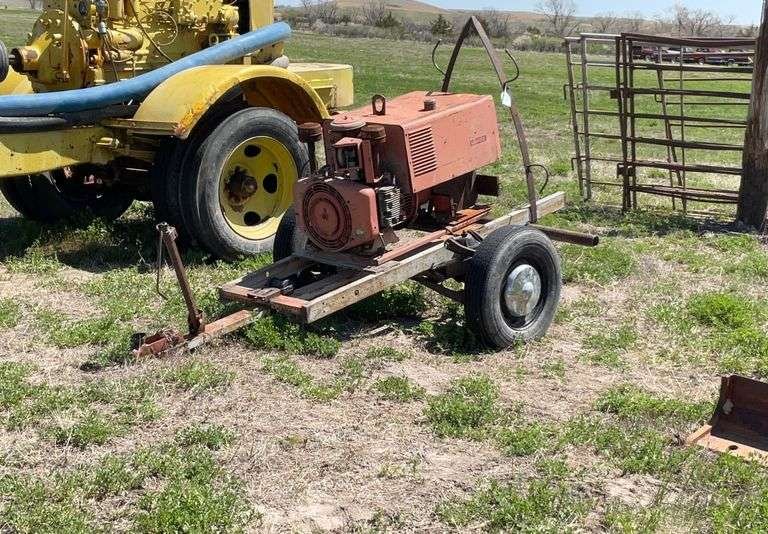
Lincoln welder generators are the unsung heroes for countless contractors, fabricators, and dedicated DIYers, providing the dual punch of robust welding capabilities and reliable on-site power generation. They’re the workhorses that keep projects moving, allowing you to lay down perfect beads while simultaneously running grinders, lights, or other essential tools. But like any high-performance machine, getting the most out of your Lincoln welder generator—and ensuring it’s ready when you are—hinges on meticulous, consistent maintenance.
Think of it this way: your welder generator isn't just a tool; it's an investment, a cornerstone of your productivity. Maintaining Lincoln welder generators isn't merely about fixing problems when they arise; it's about proactively preventing downtime, maximizing efficiency, and extending the lifespan of a machine you rely on. Skip the shortcuts, embrace the routine, and your Lincoln will reward you with years of steadfast service.
Here's a look at what you'll gain from a well-maintained machine:
At a Glance: Key Takeaways for Lincoln Welder Generator Maintenance
- Safety First: Always ensure the welder generator is OFF before performing any maintenance or inspections.
- Daily Check-ups: Visually inspect for leaks, loose connections, and cleanliness before each use.
- Fluid & Filter Focus: Regularly change oil, fuel filters, and air filters according to manufacturer schedules. Use fresh, unleaded fuel.
- Cleanliness is Key: Blow out dust and debris with compressed air every two weeks (more often in dusty environments). Keep external surfaces and air intakes clear.
- Electrical Health: Test battery charge, clean terminals, inspect wiring, and check fuses.
- Generator-Specifics: Monitor carbon brushes, clean AC rotor slip rings (emery cloth), and DC armature commutators (commutator stone).
- Lead Care: Fully extend welding leads during use, inspect for damage, and ensure ground clamps/holders are in good repair.
- Smart Storage: Store in a dry, protected environment; drain fuel for extended periods.
- Manual Matters: Your owner's manual is your ultimate guide for specific models and service intervals.
The Heart of Your Operation: Why Proactive Maintenance Matters
You’ve likely seen a Lincoln Power Generator 225 humming reliably on a job site, or perhaps the versatile Ranger 305G making light work of stick and TIG tasks. For heavy-duty demands, the Vantage 400 stands out with its advanced technology and substantial power. These machines, whether providing a 10,000-watt peak output or a steady 6,000 watts, are engineered for rugged environments. They embody the robust design and reliable performance that users expect from a Lincoln product.
However, even the toughest tools require consistent care. Neglecting maintenance on your Lincoln welder generator information can lead to a cascade of issues: diminished welding performance, reduced power output, unexpected breakdowns, costly repairs, and a significantly shortened operational life. It's not just about avoiding problems; it’s about preserving your investment and ensuring peak performance day in and day out.
Crucial Safety Note: Before you lay a finger on your welder generator for any maintenance task, always confirm the unit is completely OFF and disconnected from any power source. Safety isn't just a recommendation; it's a non-negotiable step to protect yourself and your equipment.
Your Pre-Flight Checklist: Daily & Pre-Use Inspections
Think of this as your personal pre-flight check before taking off. A quick visual inspection can catch minor issues before they escalate into major headaches. Make this a ritual before every welding or power generation session:
- Look for Leaks: Scan the ground beneath your machine for any signs of fuel, oil, or coolant leaks. A drip today could be a major mess—and a major repair—tomorrow.
- Tighten Up: Check for any loose bolts, nuts, or connections. Vibrations from operation can loosen components over time.
- Cleanliness Counts: Quickly wipe down the exterior, paying special attention to the air intake vents. Blocked vents restrict airflow, leading to overheating—a silent killer of generator engines.
- Cable Check: Briefly inspect your welding leads, ground clamp, and electrode holder for visible damage, fraying, or loose connections. A compromised lead can impact arc quality and pose a safety risk.
The Engine's Lifeline: Fuel, Air, & Oil Systems
The engine is the heart of your Lincoln welder generator, providing the power for both welding and electricity. Its health is paramount, and that starts with its consumables.
Fuel System First Aid
Your welder generator runs on fuel, but not just any fuel will do.
- Fresh Fuel, Always: Stale fuel (over 30 days old) can cause starting issues, poor performance, and even damage to the carburetor. Always use fresh, unleaded gasoline. If your unit has been sitting for a while, it’s best to drain the old fuel and refill with new.
- Fuel Filter Finesse: The fuel filter is your engine's bouncer, keeping impurities out of the carburetor. A clogged filter restricts fuel flow, leading to sputtering, loss of power, or even failure to start. Replace your fuel filter according to your owner's manual's guidelines. This is a simple, inexpensive part that plays a huge role in performance.
- Tank Levels: It sounds obvious, but ensure your fuel tank is adequately filled before operation. Running dry can suck sediment into the fuel lines and system.
Breathing Easy: Air Filter Care
Just like you need clean air to breathe, your engine needs clean air for optimal combustion.
- Filter Replacement: The air filter prevents dust, dirt, and debris from entering the engine's cylinders. A dirty filter chokes the engine, reducing power and increasing fuel consumption. Replace it according to the manufacturer's recommended schedule – more frequently if you operate in very dusty environments.
- Clear the Intake: Regularly clear any debris from the air intake screens and surrounding areas. This ensures a steady flow of cool air to the engine, crucial for preventing overheating.
The Lifeblood: Oil Changes & Levels
Oil lubricates, cools, and cleans your engine. It's arguably the most critical fluid.
- Scheduled Changes: Follow your owner's manual precisely for oil change intervals. These are typically measured in hours of operation (e.g., every 100 or 200 hours). Using the correct oil grade (e.g., SAE 30, 10W-30) as specified by Lincoln is non-negotiable.
- The 50-Hour Break-In: For new machines, the initial 50-hour break-in period is crucial. During this time, run your welder generator under at least a moderate welding load. This helps the piston rings seat properly. Avoid prolonged idling or very light use during this phase.
- Daily Oil Checks: Especially during the break-in period (every 5 hours or daily), check your oil level. Topping off if there's any oil loss prevents low-oil safety shutdowns and potential engine damage. Low oil can trigger a safety mechanism that prevents the engine from starting or running to prevent catastrophic failure.
Beyond the Fluids: Hoses, Belts, and Spark Plugs
These often-overlooked components are vital for consistent operation.
- Hose & Belt Watch: Periodically inspect all hoses for cracks, bulges, or leaks, and all belts for fraying, cracks, or excessive slack. A snapped belt or burst hose can bring your operation to a grinding halt.
- Spark Plug Smarts: Spark plugs are responsible for igniting the fuel-air mixture. Over time, they can foul or wear, leading to misfires, reduced power, and difficulty starting. Check and replace them according to your manual's recommendations, ensuring you use the correct type.
Powering Up: Electrical & Battery Health
The electrical system is the nervous system of your welder generator, linking everything from the ignition to the power output.
Battery Basics
The battery is your machine’s starting point. Without it, you’re stuck.
- Charge Test: Regularly test the battery charge, especially if the machine isn't used frequently. A weak battery struggles to crank the engine, eventually failing completely.
- Clean Terminals: Battery terminals can accumulate corrosion, which inhibits electrical flow. Clean them monthly with a wire brush and a baking soda-water solution, ensuring they are shiny and secure.
- Know When to Replace: If your battery consistently fails to hold a charge after proper charging, it’s time for a replacement. A strong battery is non-negotiable for reliable starts.
Wiring Watch: Connections and Fuses
Loose wires and blown fuses are common culprits for "no power" situations.
- Inspect Wiring: Regularly check all visible wiring for signs of fraying, cuts, or damaged insulation. Secure any loose connections. Damaged wiring can cause intermittent power, shorts, or complete failure.
- Fuse Facts: Fuses are designed to be the weakest link, protecting more expensive components from power surges. If you suspect an electrical issue, check the fuses first. Replace blown fuses with manufacturer-recommended types and ratings only. Never bypass a fuse; it's there for a reason.
Ignition Insight
The ignition switch brings the entire system to life.
- Test the Switch: If you're experiencing starting issues, and you've ruled out fuel and battery problems, the ignition switch might be the culprit. A multimeter can test its continuity; if it's defective, replace it promptly.
The Spark of It All: Generator-Specific Care (AC vs. DC)
Beyond the engine, the generator section itself requires specialized attention, especially regarding its moving electrical components.
Carbon Brushes: The Critical Contact
Carbon brushes are the only electrical connection to the moving parts (rotor or armature). They are a wear item and need regular inspection.
- Monthly Check: At least once a month, inspect your carbon brushes. Ensure they are firmly pushed against the rotor (AC generators) or armature (DC generators).
- Length Matters: The brushes must be at least 1/4 inch in length. If they are shorter, they won't make adequate contact and need to be replaced. Worn brushes can lead to intermittent power, reduced output, or complete failure.
AC Generator's Shine: Rotor Slip Rings
AC generators use brass slip rings on the rotor. Over time, these can accumulate dirt and form a black glaze, impeding electrical flow.
- Bimonthly Buff: Every two months, clean these brass slip rings. Use a fine 500-600 grit emery cloth to restore them to a shiny, conductive surface. This is a crucial step for maintaining consistent AC output.
DC Generator's Guts: Commutator Care
DC generators feature a commutator and copper bars on the armature, which also collect grime.
- Bimonthly Polish: Every two months, clean these copper pieces. Crucially, use a commutator stone for this task, not an emery cloth. Emery cloth contains metallic particles that can embed in the copper, potentially causing an electrical short circuit and damaging your generator. A commutator stone is designed to clean without leaving conductive residue.
Delivering the Arc: Welding Lead & Clamp Maintenance
Your welding leads are the conduits for your craft. Their condition directly impacts arc quality and safety.
- Extend for Success: Always fully extend your welding leads during use. Coiling them, especially around steel, can create an electrical choke, reducing output and potentially causing heat buildup.
- Inspect & Replace: Regularly inspect your leads for any visible cuts, abrasions, or damage to the insulation. Damaged leads can cause voltage drops, poor arc characteristics, and are a significant safety hazard. Replace them immediately if compromised.
- Grounds & Holders: Ensure your ground clamps make solid contact and are in good working order. The electrode holder also needs to be free of damage and capable of securely gripping electrodes. A poor ground connection is a common cause of frustrating arc issues.
- The 10-Foot Test: Keep a short 10-foot set of welding leads on hand. If you encounter electrical current issues or arc problems, swapping to this shorter set can quickly help you diagnose if the problem lies with your main leads or within the Lincoln welder generator information itself.
When Power Fails: Troubleshooting "No Power" Scenarios
It happens to the best of us: you go to start your Lincoln, and nothing. Don't panic. Many "no power" issues are surprisingly simple to diagnose and fix.
Initial Diagnosis: Where to Start
Before tearing anything apart, follow a logical path:
- Is it ON? Sounds silly, but check the power switch.
- Is there fuel? Don't rely on the gauge alone; visually confirm.
- Are breakers tripped? Check the unit's internal breakers and any external circuit breakers (if applicable).
- Is the idle control working? Some units have an idle control feature; ensure it's not preventing startup.
Electrical Culprits: A Step-by-Step Fix
If the initial checks don't yield results, delve deeper into the electrical system:
- Battery Connections: Start here. Ensure battery terminals are clean, tight, and free of corrosion. A loose or corroded connection can prevent proper current flow to the starter.
- Fuses: Locate your machine's fuse box (refer to your manual). Inspect each fuse for a blown filament. Replace any blown fuses with the exact manufacturer-recommended type and amperage. Never substitute with a higher amperage fuse.
- Wiring Inspection: Look for any frayed, cut, or disconnected wires, particularly around the battery, starter, and ignition switch. Repair or re-secure any faulty wiring to restore proper electrical continuity.
- Ignition Switch: If the engine cranks but doesn't fire, or if there's no response from the starter, test the ignition switch with a multimeter. A defective switch won't send the necessary signals.
Fuel System Deep Dive: Getting Your Engine Fed
No spark, but what about the fuel?
- Fuel Levels: Reconfirm the tank is full with fresh, unleaded gasoline.
- Fuel Filter: Remove and inspect the fuel filter. If it's clogged with sediment or debris, clean it thoroughly or, better yet, replace it. Restricted fuel flow is a common cause of no-start conditions.
- Fuel Quality: If the fuel is old (over 30 days) or looks cloudy/separated, drain the entire tank and refill with fresh fuel. Old fuel degrades and can gum up the carburetor.
- Fuel Pump: Assess the fuel pump for functionality. On some models, you might hear a faint whirring sound when the ignition is turned on. If the pump isn't working, fuel won't reach the engine. This may require professional replacement.
Mechanical Roadblocks: When Deeper Issues Arise
If electrical and fuel systems check out, you might be facing a mechanical issue:
- Worn Engine Parts: Over time, components like spark plugs (as mentioned), or even parts within the carburetor, can wear out. These often require diagnosis and replacement by a qualified technician.
- Low Oil Shutdown: Remember the safety mechanism? If your engine has an oil leak or the oil level is critically low, the machine might prevent starting to protect itself. Check the oil dipstick and top off if necessary.
- Alternator/Stator Issues: Faulty driven components like the alternator (for charging the battery and some power generation) or the stator (a primary generator component) can also lead to power issues. These are typically technician-level repairs for your Lincoln welder generator information.
Putting Your Welder to Bed: Storage Best Practices
Proper storage is as important as active maintenance, especially if your welder generator will be idle for extended periods.
- Dry & Moisture-Free: Always store your generator in a dry, moisture-free location. This prevents rust and corrosion on metal components and protects sensitive electronics.
- Cover Up: If outdoor storage is unavoidable, invest in a high-quality, weatherproof cover. This provides an extra layer of protection against the elements, UV rays, and debris.
- Fuel Drain for Long Hauls: For extended storage (e.g., several months), it's highly recommended to drain the fuel tank and run the carburetor dry. This prevents stale fuel from gumming up the fuel system and causing starting issues when you next need your machine. Alternatively, use a high-quality fuel stabilizer if you prefer to leave fuel in the tank, though draining is generally safer.
- Mind the Temperature: Store your unit away from direct sunlight and extreme temperatures. Excessive heat can degrade plastics and rubber components, while extreme cold can impact battery life and fluid viscosity.
- Seasonal Checks: Even after proper storage, perform a seasonal check before the first use of a new season. This includes running diagnostic tests to catch any issues that might have developed during storage, ensuring your unit is ready for action.
Beyond the Basics: Leveraging Your Owner's Manual & Service Schedule
While this guide provides comprehensive insights, your owner's manual is the definitive resource for your specific Lincoln welder generator model. It contains detailed diagrams, troubleshooting charts, and—most importantly—a precise maintenance schedule.
- Maintenance Sticker: Most Lincoln machines have a maintenance schedule sticker directly on the unit. This often highlights key intervals (e.g., 100 hours, 200 hours, 500 hours) for tasks like oil changes, filter replacements, and valve adjustments.
- Specifics Matter: Your manual will specify the exact oil grade, filter part numbers, and any special coolants required for your particular model. Deviating from these can compromise performance and void warranties.
- Expert Insight: Don't hesitate to consult Lincoln Electric's support resources or a certified Lincoln service center for complex issues or if you're unsure about a particular maintenance step. They are the ultimate authorities on your Lincoln welder generator information.
Your Investment, Protected: Final Thoughts on Longevity
Maintaining your Lincoln welder generator isn't a chore; it's an investment in uninterrupted productivity, superior performance, and the extended life of a critical tool. By dedicating a little time to routine inspections and preventative care, you're ensuring that when the next project calls, your Lincoln is ready to answer with power, precision, and unwavering reliability. You'll not only save money on costly repairs but also gain the confidence that comes from owning a well-cared-for machine that stands the test of time and demanding work environments.